The Secret to Dreamy Wedding Photos? It’s Not What Most Couples Think
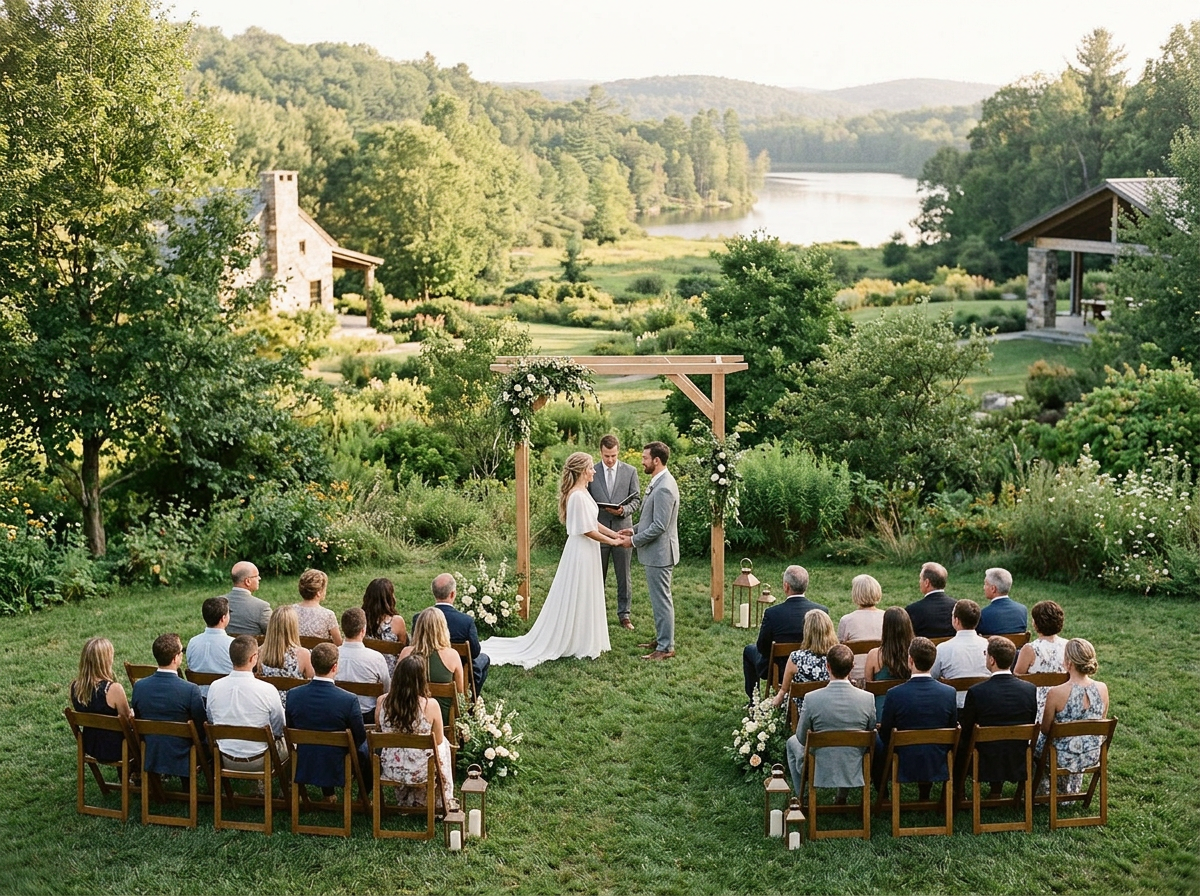
Every couple wants those wedding photos.
The soft, glowing portraits.
The romantic golden light.
The photos that feel cinematic, effortless, emotional, and timeless.
But here’s the part most people don’t realize: those photos usually are not created by the camera alone.
They are created by light, timing, and a wedding day timeline that gives you room to breathe.
A beautiful venue helps. A great camera helps. A gorgeous dress, stunning florals, and perfect details all add to the story. But the real magic happens when your day is planned in a way that allows the best moments to unfold naturally — without rushing from one thing to the next.
As a wedding photographer, I can tell you this: when your timeline supports your photos, your entire day feels calmer. You are not constantly being pulled away. Your family is not scrambling. Your portraits do not feel forced. You actually get to enjoy the day you spent so much time planning.
So let’s talk about how to build a wedding photo timeline that gives you beautiful images and a better wedding day experience.
Why Golden Hour Photos Look So Magical
You have probably heard photographers talk about “golden hour.” It is one of those phrases that gets used a lot, but there is a reason photographers love it so much.
Golden hour is the time shortly before sunset when the sun sits lower in the sky. Instead of harsh overhead light, everything becomes softer, warmer, and more flattering.
This is the light that gives skin that beautiful glow. It creates gentle shadows instead of harsh lines under the eyes. It adds warmth to the background and gives portraits that dreamy, romantic feeling that so many couples love.
In Ohio, golden hour changes depending on the season. A summer wedding may have golden hour much later in the evening, while a fall wedding may need portraits scheduled earlier. But the idea stays the same:
Soft light creates beautiful portraits.
That does not mean every photo has to happen at sunset, but building even 10 to 15 minutes of golden hour portrait time into your day can make a huge difference in your final gallery.
The Biggest Mistake Couples Make With Their Wedding Timeline
The biggest timeline mistake is not choosing the wrong flowers, the wrong venue, or even the wrong ceremony time.
It is not leaving enough buffer time.
Wedding days move quickly. Even when everything is organized, little things take longer than expected. Someone cannot find the rings. A boutonniere needs pinned. Hair and makeup run a few minutes behind. The dress takes longer to bustle. A family member wanders off right before portraits.
None of this means the day is going badly. It just means it is a wedding day.
That is why buffer time matters.
Buffer time is not wasted time. It is what protects your peace. It gives you space to breathe when something runs behind. It keeps portraits from feeling rushed. It allows the day to flow instead of feeling like one long checklist.
A good rule is to add 10 to 15 minutes between major moments and 15 to 20 minutes if you are traveling between locations.
Those small pockets of time can be the difference between feeling overwhelmed and feeling present.
A Photo-First Timeline Makes the Whole Day Easier
A photo-first timeline does not mean your wedding day is only about photos. It means your timeline is built in a way that allows your important moments to happen without stress.
When photo time is planned well, everything feels smoother.
You are not rushing through family portraits.
You are not missing your own cocktail hour because the timeline fell behind.
Your bridal party knows where to be.
Your family knows when they are needed.
You and your partner get moments together instead of feeling pulled in opposite directions.
A strong photography timeline creates structure, but it also creates freedom. It gives your photographer space to capture the real, emotional moments instead of constantly trying to catch up.
Should You Do a First Look?
One of the biggest timeline decisions couples make is whether or not to do a first look.
There is no right or wrong answer. It depends on the kind of wedding day experience you want.
A first look is when you and your partner see each other privately before the ceremony. This can be an emotional, quiet moment without everyone watching. It also allows many of your portraits to happen before the ceremony, which can make the rest of the day feel much less rushed.
A first look usually works well for couples who want more portrait time, want to enjoy more of cocktail hour, or want a calmer schedule before the ceremony.
A sample first-look timeline may include:
Getting ready photos, details, and candid moments
First look
Couple portraits
Wedding party photos
Family photos
Ceremony
Cocktail hour candids
A few golden hour portraits
Reception coverage
This option gives you more flexibility because you are not trying to fit every portrait into the short window after the ceremony.
What If You Want to Keep It Traditional?
Some couples love the idea of seeing each other for the first time at the altar. That moment can be incredibly powerful, and it is completely okay to keep it traditional.
The key is making sure your timeline protects enough portrait time after the ceremony.
A traditional timeline may look like this:
Getting ready photos
Ceremony
Family portraits immediately after
Wedding party photos
Couple portraits
Reception entrance
Dinner and reception coverage
Short golden hour portraits during the reception
With this option, the time right after the ceremony becomes very important. Everyone is excited, guests want to congratulate you, and family members may start moving toward cocktail hour or the reception space. Having a clear plan helps keep everything organized and calm.
This is where a family photo list becomes a lifesaver.
How Much Time Do You Really Need for Wedding Photos?
Every wedding is different, but there are some realistic time ranges that work well for most couples.
Getting ready photos usually need 45 to 75 minutes.
This gives time for dress photos, rings, shoes, invitations, jewelry, makeup touch-ups, robe or pajama photos, putting on the dress, and emotional moments with parents or bridal party members.
A helpful tip is to keep all your details together in one box or bag before your photographer arrives. That way, your photographer can start quickly without asking where everything is.
Family photos usually need 20 to 35 minutes.
This depends on how large your family is and how many combinations you want. The best way to keep family photos smooth is to create a short list ahead of time and assign one helpful person who knows both families to gather people.
Wedding party photos usually need 20 to 30 minutes.
This gives time for full group photos, smaller combinations, and more natural candid-style shots that feel fun instead of stiff.
Couple portraits usually need 20 to 45 minutes.
This is where your gallery becomes deeply personal. These are the photos of just the two of you — the quiet moments, the laughter, the movement, the connection.
And no, you do not have to know how to pose. A good photographer will guide you the entire time so you feel natural and comfortable.
Golden hour portraits only need 10 to 15 minutes.
This is one of the best uses of time on a wedding day. You do not have to disappear for an hour. A short walk outside during dinner or open dancing can create some of the most beautiful images of the entire day.
Your guests usually will not even notice you are gone, but those portraits may become the ones you frame forever.
How to Choose the Best Portrait Locations
The best portrait location is not always the most obvious spot at the venue.
Sometimes it is a quiet patch of shade, a clean wall, a tree line, a doorway, a field, or a simple area with beautiful light.
When choosing portrait locations, light matters more than almost anything else. A plain background with gorgeous light will usually photograph better than a dramatic location with harsh sun and distracting clutter.
Look for areas with open shade, clean backgrounds, and enough space to move naturally. Also think about distance. If a portrait location requires a long walk or drive, that takes time away from actually taking photos.
Before the wedding day, it helps to ask your venue a few questions:
Where does the sun set?
Are there shaded areas near the ceremony or reception space?
Is there a pretty indoor location in case it rains?
Are there any areas photographers are not allowed to use?
Those answers can help your photographer plan ahead and keep the day moving smoothly.
What About Rain, Wind, or Ohio Weather?
Ohio weather has a personality of its own. Sunshine can turn into rain quickly, and a calm day can suddenly become windy.
But weather does not have to ruin your photos.
The secret is having a backup plan before the wedding day arrives.
Covered porches, big windows, neutral walls, staircases, barn doors, lobbies, and covered walkways can all become beautiful photo locations when used well. Clear umbrellas can also look romantic and timeless in rainy wedding photos.
Some of the most emotional wedding galleries come from days when the weather was not “perfect.” Rain can create intimacy. Wind can create movement. Cloudy skies can create soft, flattering light.
The goal is not to control everything. The goal is to prepare well enough that you can enjoy the day no matter what happens.
A Simple Photo Timeline Checklist for Couples
Planning your wedding photos does not have to feel overwhelming. A few simple choices can make the entire day easier.
Before the wedding, build buffer time into your schedule. Choose a getting-ready space with windows if possible. Keep your details together. Write a family photo list. Decide whether you want a first look or a traditional aisle reveal.
On the wedding day, keep your bouquet nearby for portraits. Eat something before the ceremony. Trust your timeline. Let your photographer guide you. And if golden hour is possible, take those 10 minutes.
You will be glad you did.
Questions to Ask Your Wedding Photographer
When you are choosing a wedding photographer, do not only ask about price and packages. Ask how they help the day flow.
A photographer does more than take pictures. They help guide the timeline, manage portrait time, work with lighting, handle unexpected weather, and keep you feeling comfortable in front of the camera.
Helpful questions to ask include:
Do you help build the photography timeline?
How do you handle harsh midday sun?
What is your rain plan?
How much time do you recommend for family photos?
Will you guide us if we feel awkward posing?
How do you keep portraits moving without making them feel rushed?
The right photographer will help you feel prepared before the wedding day ever arrives.
The Photos You Will Treasure Most
Some of the best wedding photos happen when you are not thinking about photos at all.
A deep breath before walking down the aisle.
Your partner squeezing your hand.
Your mom wiping away tears.
Your bridal party laughing behind you.
The two of you stepping away from the noise for a quiet sunset portrait.
Those moments need space.
When your timeline is rushed, it is harder to notice them. But when your day has breathing room, you feel more present. Your smiles are softer. Your shoulders relax. Your laughter is real.
That is what turns a wedding gallery into a story.
Need Help Building Your Wedding Photo Timeline?
If you are planning a wedding in Lancaster, Columbus, Central Ohio, or anywhere throughout Ohio, I would love to help you create a photo timeline that feels calm, organized, and true to your day.
Your wedding should not feel like a race from one moment to the next. It should feel meaningful, joyful, and full of space for the memories you will want to keep forever.
Send me your wedding date, venue, and whether you are leaning toward a first look or keeping it traditional, and we can start building a photography timeline that protects your peace and gives you beautiful light.